Using design to rethink how girls are taught Menstrual Hygiene Management across Kenya

Client

WASH United

Design partner

Nairobi Design Institute

Role

Designer (consultant)
Research, prototyping, testing

Methods

Contextual & group interviews
Participatory design
Co-design workshops

Impact designEducationHealth

The goal

Improve how facilitators deliver an existing menstrual hygiene curriculum.

WASH United works to end the sanitation crisis by teaching children and adolescents good water, sanitation and hygiene practices, including during menstruation. Nairobi Design Institute was asked to improve how the curriculum is facilitated by understanding the needs, challenges and pain points of running it.

My role

I consulted as a designer to redesign how the curriculum is implemented. I ran user interviews, prototyped and tested assets, and documented the process, findings and solutions for the client.
01 · Research

Sitting in on real sessions

What we did

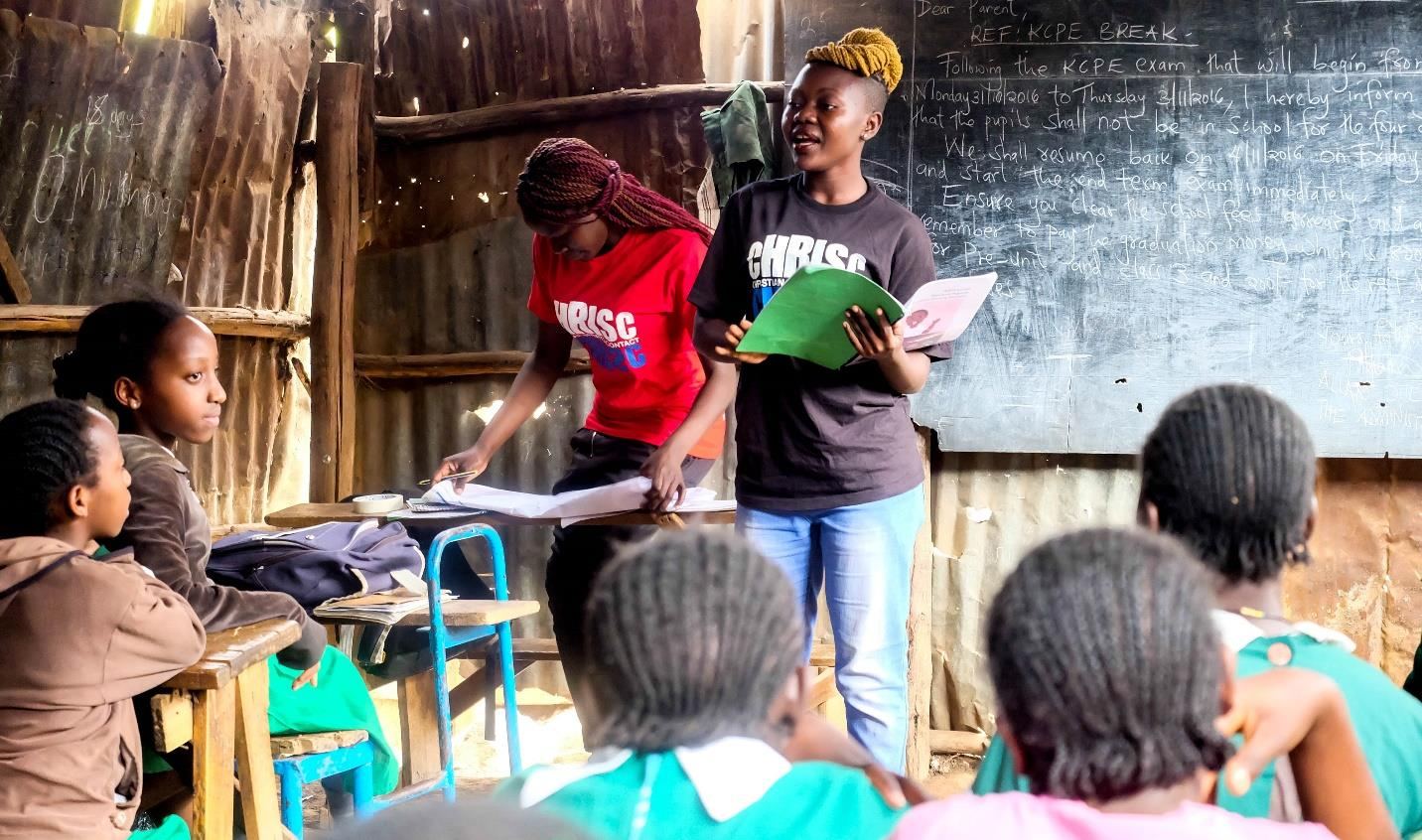
We observed sessions run by different partners around Eastlands, Nairobi

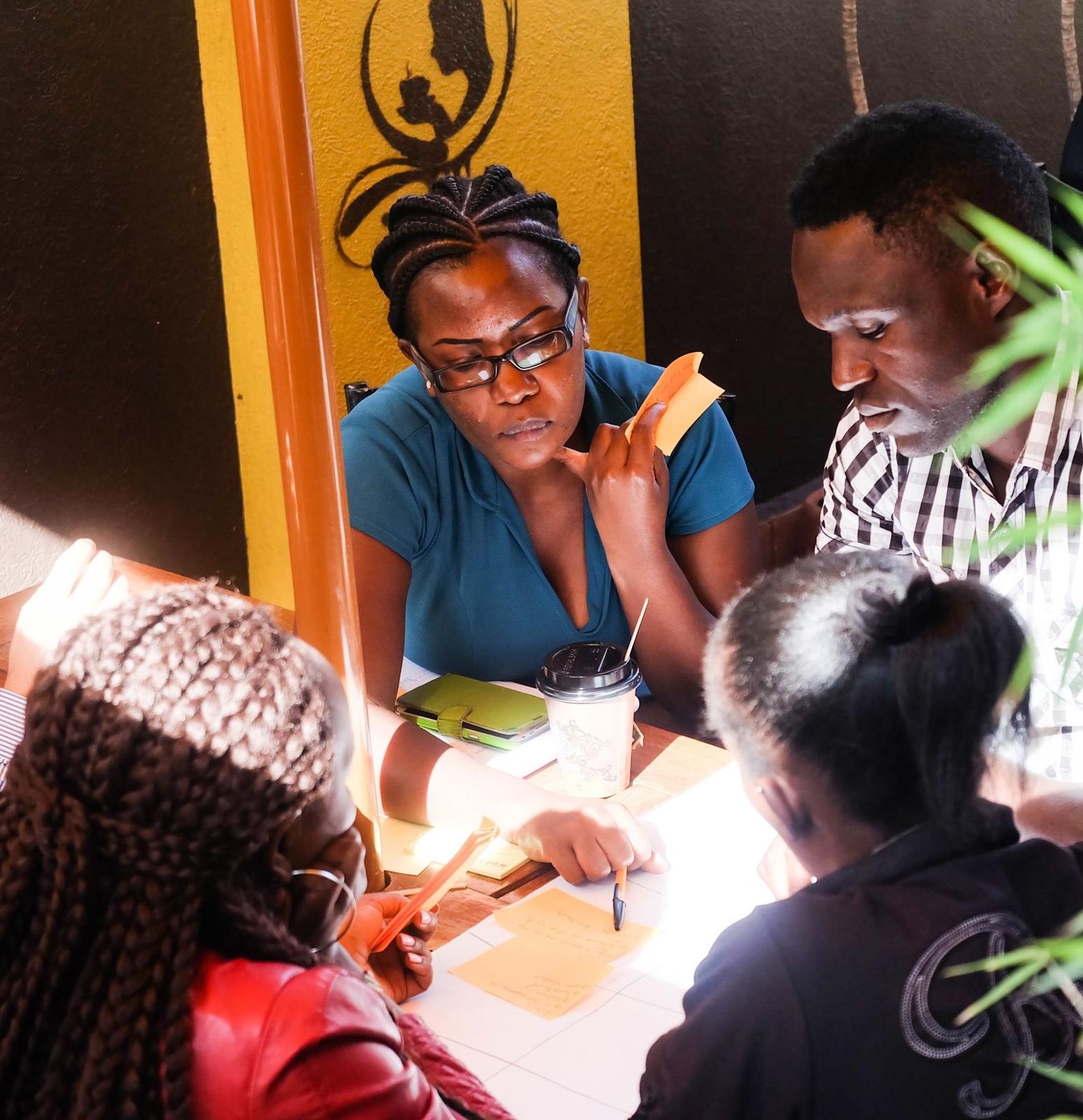
In the first weeks we sat in on menstrual hygiene sessions and spoke with facilitators and participants about their challenges. This showed us how different facilitators plan and run sessions, and how they arrive at the key message.

A facilitator leading a session with a class of students
Researchers in conversation with participants around a table

Experience mapping

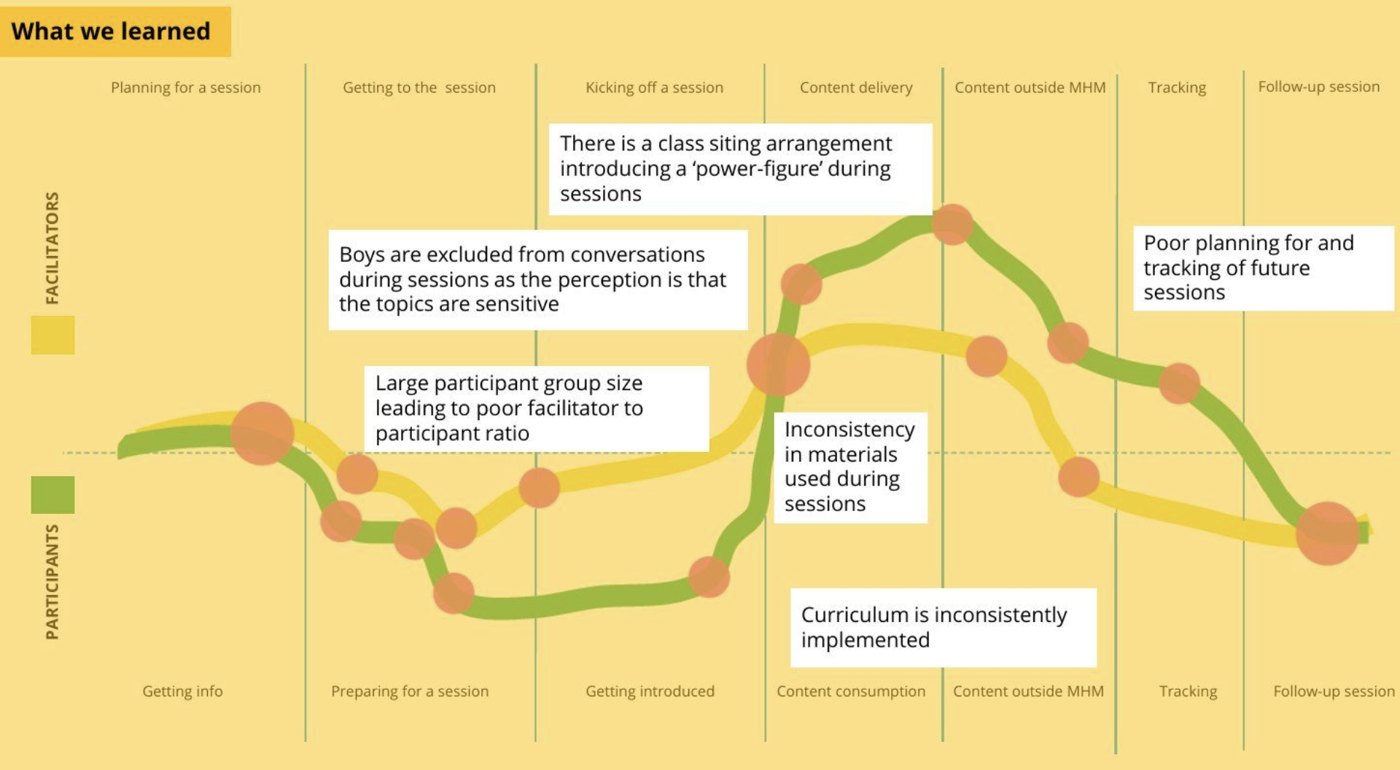
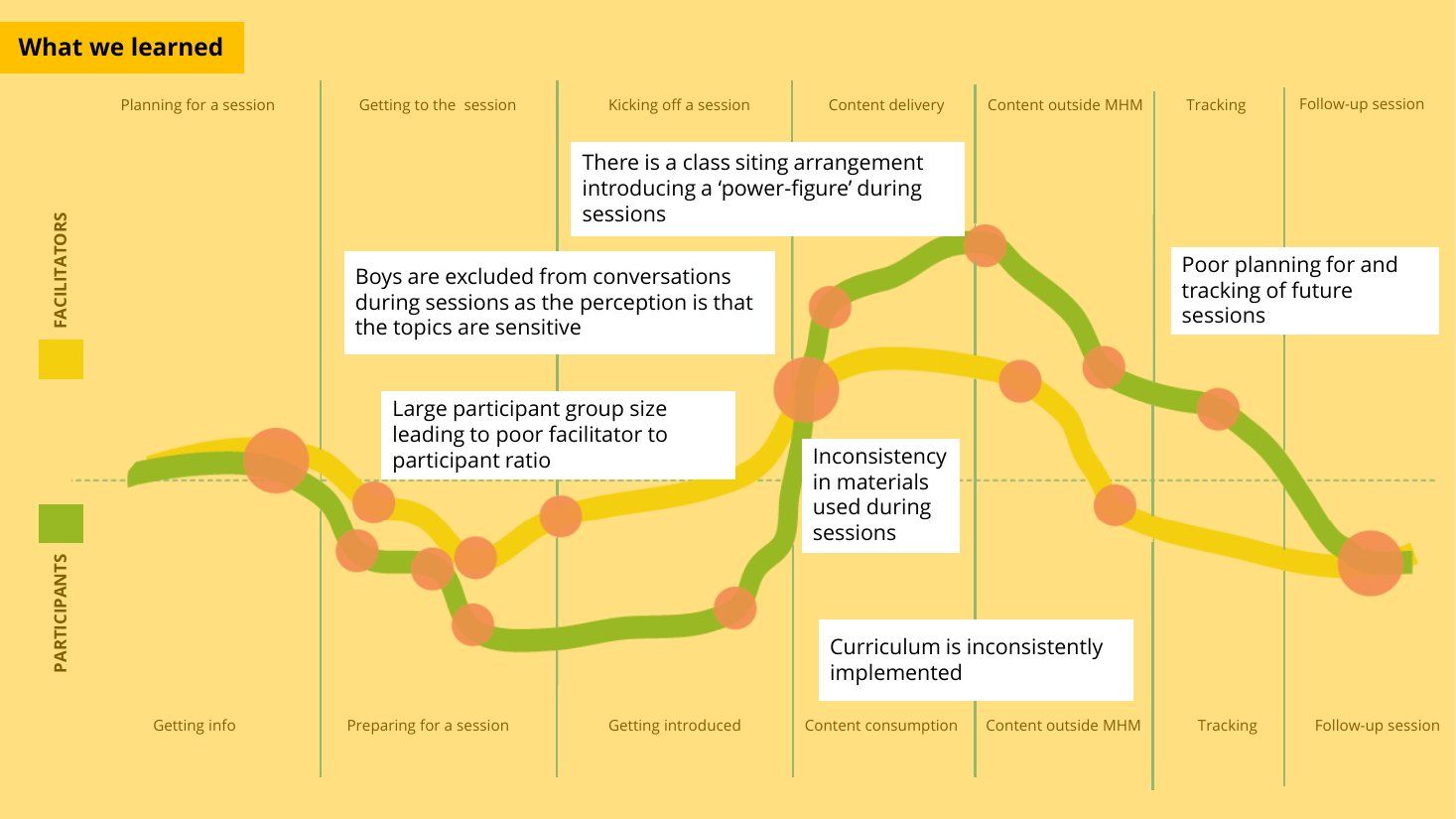
We mapped each session from both sides: facilitators and participants

From planning and getting to a session, through kick-off and content delivery, to tracking and follow-up sessions.

Experience map of facilitators and participants across seven stages of a session, with pain points marked
Pain points across the session journey for facilitators (top) and participants (bottom).

What we learned

The format of the sessions was getting in the way of the message

Class-style seating puts a “power figure” at the front of every session.

Boys are left out of the conversation because the topics are seen as sensitive.

Large groups mean a poor ratio of facilitators to participants.

Materials used during sessions are inconsistent.

Future sessions are poorly planned and tracked.

As a result, the curriculum is implemented inconsistently.


02 · Co-creation

Ideating and prototyping around the challenges

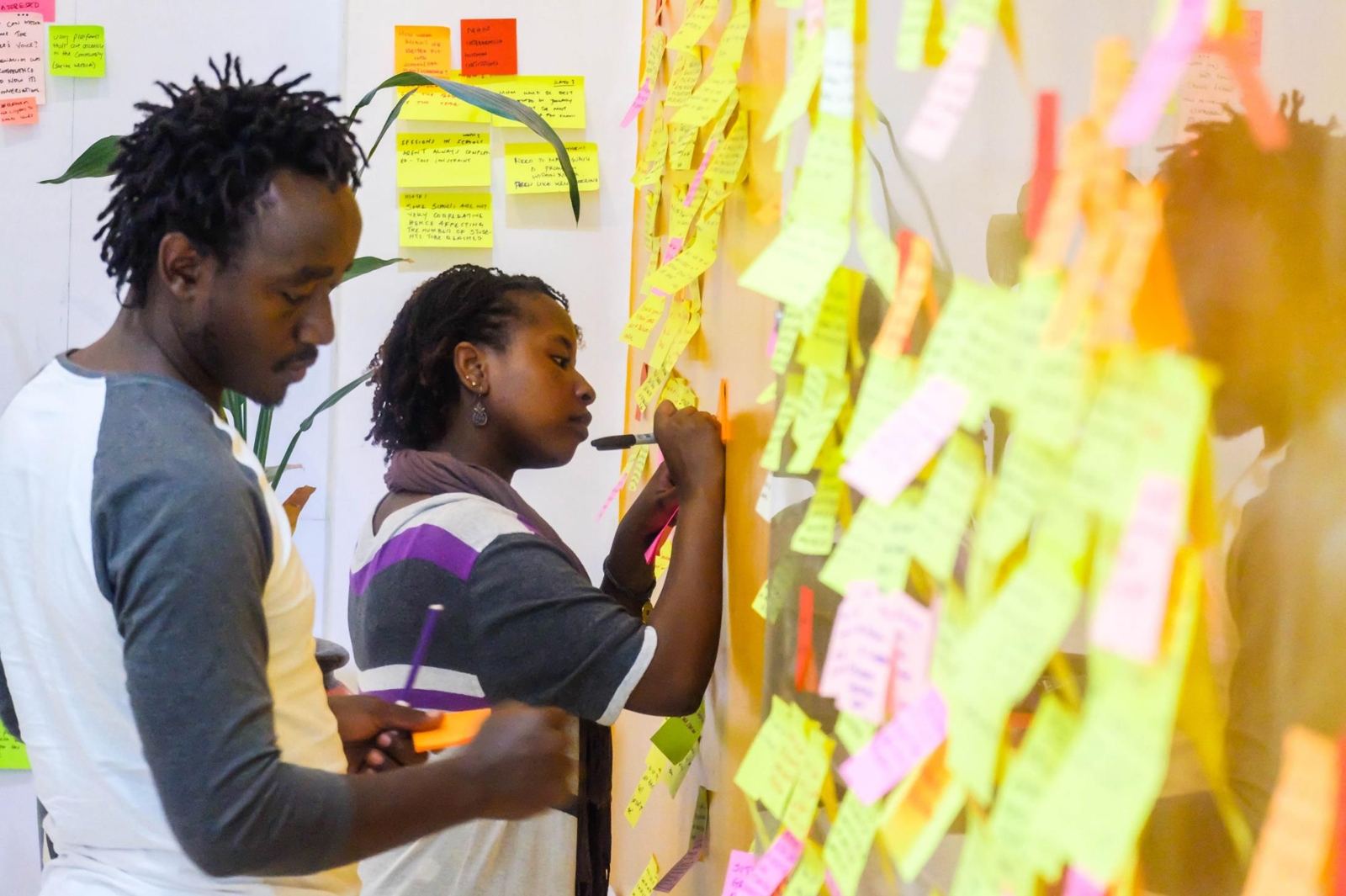
Designer sorting sticky notes on a wall during synthesis
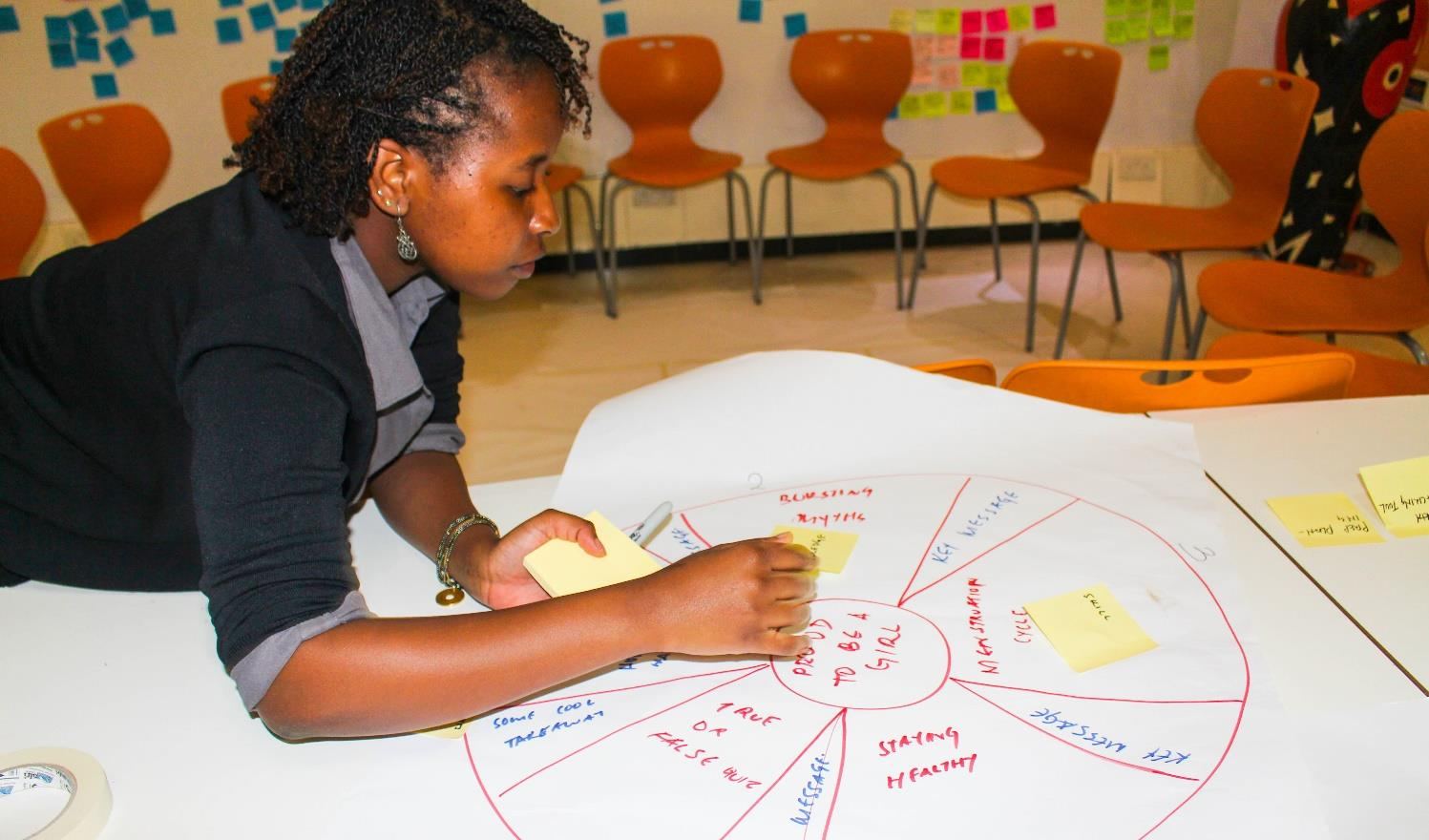
Team sketching a circular chart prototype on the floor

What if learning about menstruation felt like a game?

The question we designed around

03 · Solutions

What we designed

MHM Roundabout Chart

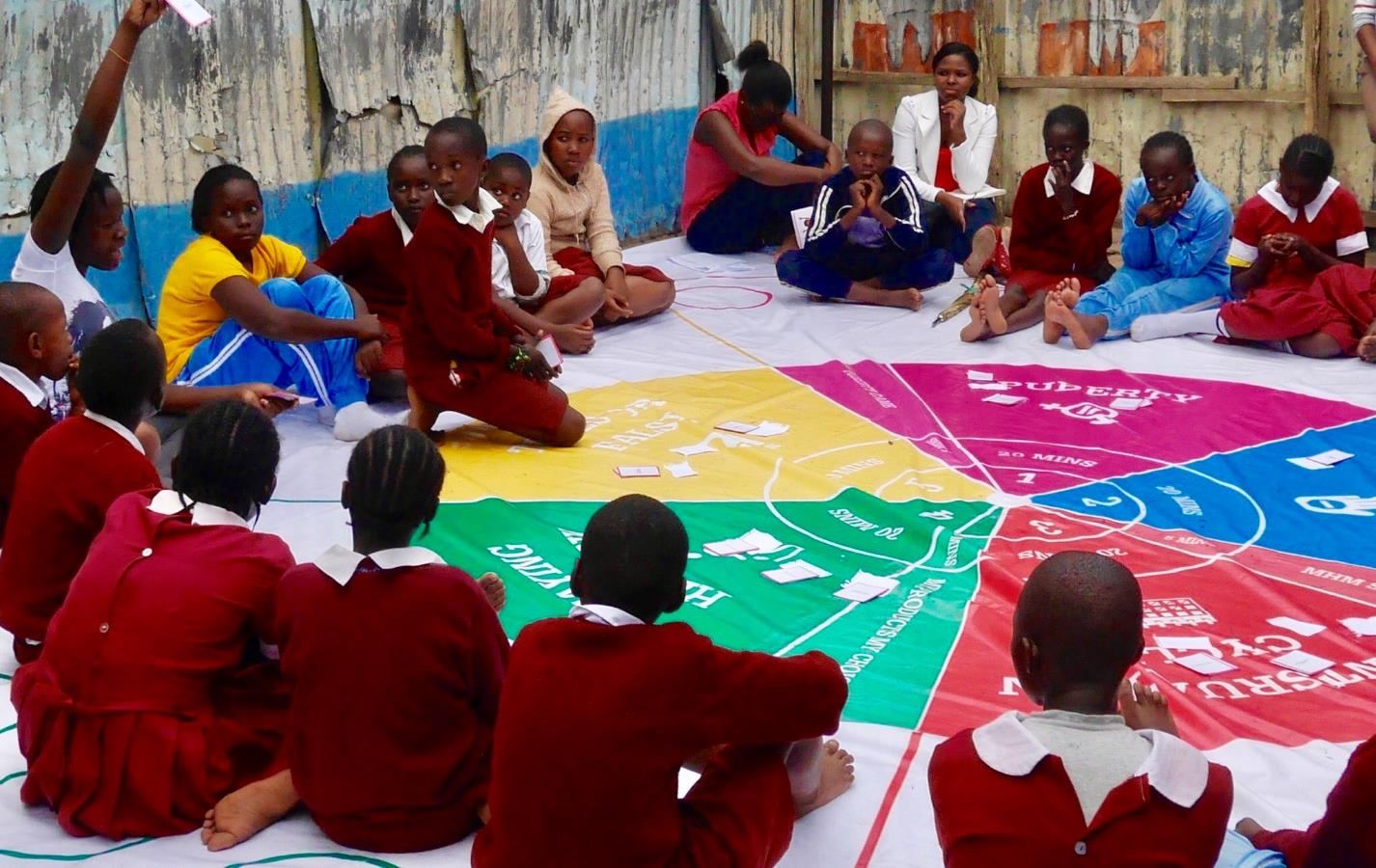
A floor chart that works like a pizza, with everyone around it

Borrowing the concept of a pizza, the chart puts participants in a circle, each facing a slice of the topic.

  • More interaction during sessions, with no power figure at the front
  • Fewer participants per session, so everyone stayed engaged throughout
  • Room for boys and girls to take part in the conversation together
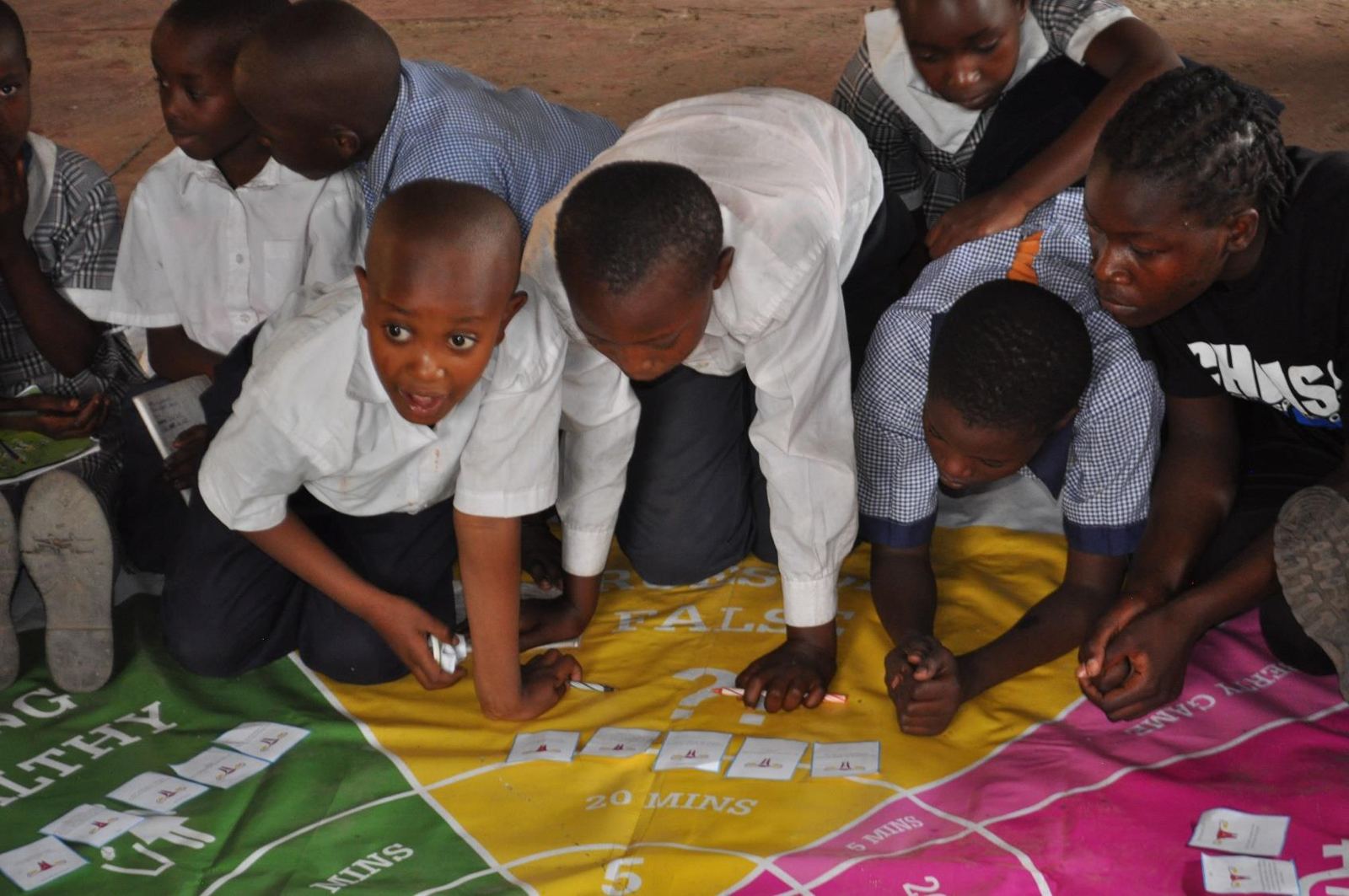
Students sitting around a large colourful circular chart on the classroom floor

MHM Activities

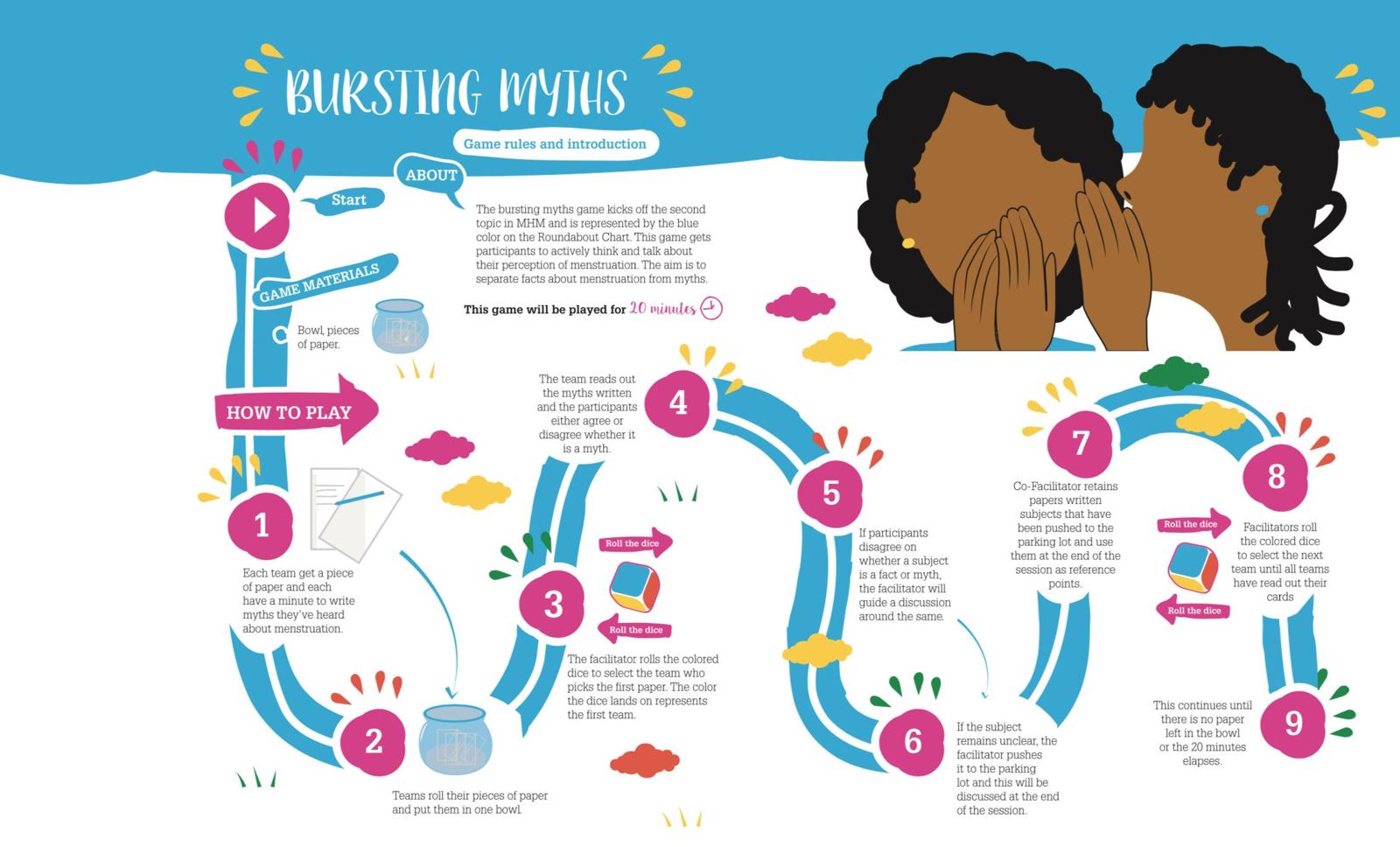
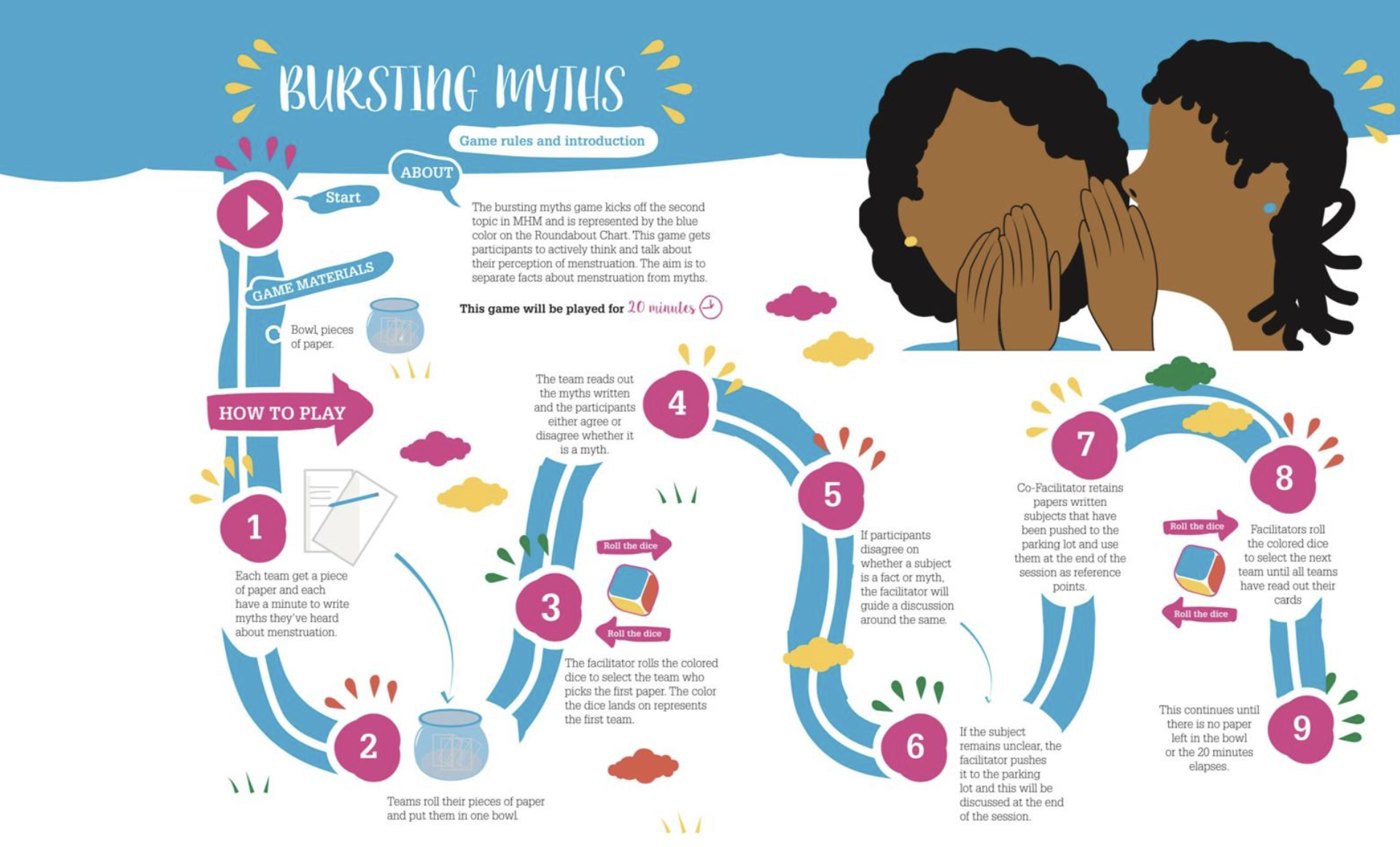
Board-game activities for each topic, borrowing from Monopoly and Twister

We took game elements that resonate with the audience and designed an activity for each topic. They gave sessions structure, added some friendly competition, and were fun.

Illustrated board game called Bursting Myths with a numbered path and instructions

Impact 01

Participants stayed engaged throughout the session.

Impact 02

Teams collaborated and learned for themselves.

Impact 03

Facilitators felt more confident running sessions.

Students crouched over game cards on the chart
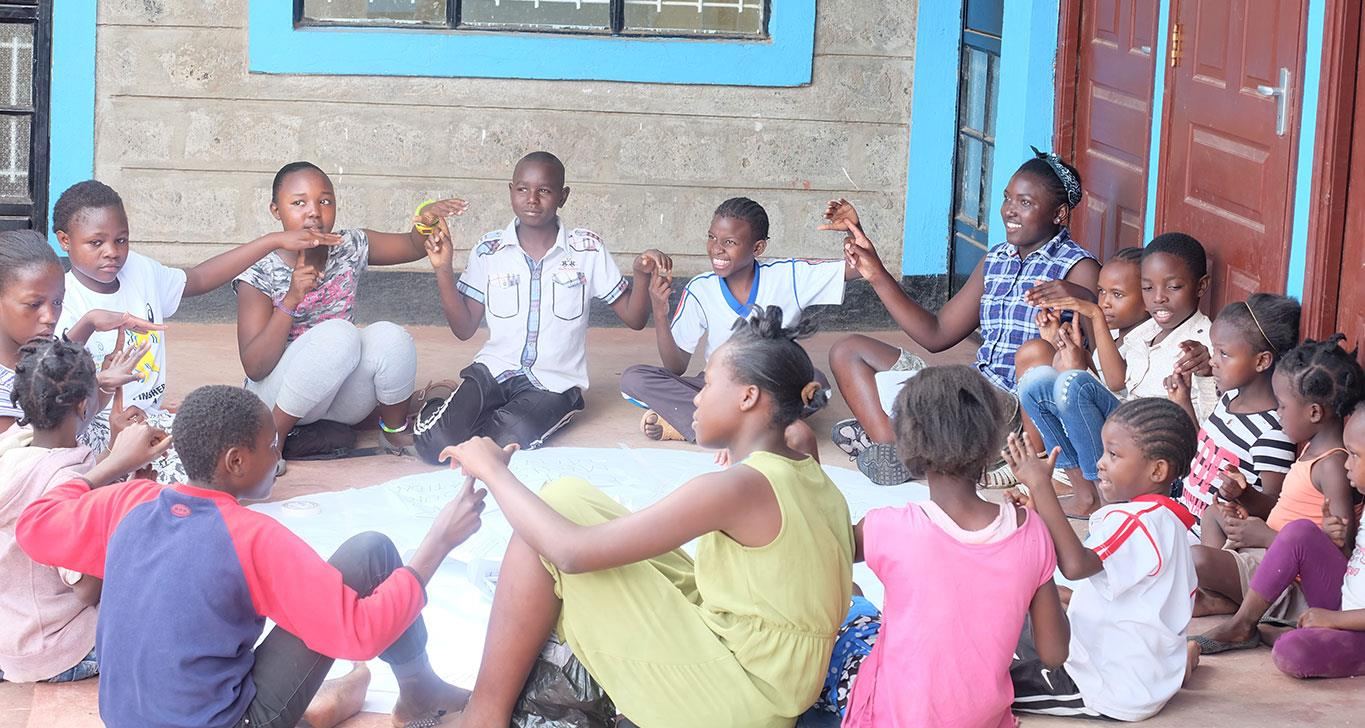
A group of students seated in a circle during a session

Next project

Understanding Paystack’s developers

Read next case study